This session took place on August 19th, 2019 via an online conference during #LKLauch19. Below is a recording of the session.

Showing posts with label orange shirt day. Show all posts
Showing posts with label orange shirt day. Show all posts
Thursday, October 17, 2019

Tuesday, September 24, 2019
Orange Shirt Day: Learning in the Spirit of Truth and Reconciliation
Orange Shirt Day: Learning in the Spirit of Truth and Reconciliation.
By Gretchen Sands-Gamble
On September 18th, 2019 I was able to lead an online learning session that provided information about Orange Shirt Day and the history of residential schools in Canada.
Many teachers participated while the session was live. However, the session was recorded so educators who were not able to join in can also build their understanding and learn ways to teach about the history of residential schools with a spirit of honoring and remembering.
You can find the recorded session here:
Miigwech for taking the time to deepen your own understanding!
Monday, September 16, 2019
Orange Shirt Day
Boozhoo!
Here we are! Back in September, ready for a new school year.
As you may know, September 30th is Orange Shirt Day.

Orange Shirt Day is a day when we honour the Indigenous children who were sent to residential schools in Canada. We honour the survivours and the memory and lives of the children that didn’t make it home. The days surrounding Orange Shirt Day are an important time to learn more about the history of these schools and the effects that are still being felt today.
To ensure students understand why we honour Orange Shirt Day, teaching and learning about the history of residential schools and the effects that are still being felt today should be happening in the days and weeks prior to September 30th.
LKDSB Hashtag:
We are asking schools to share what they are doing prior to and during Orange Shirt Day by using the following hashtag: #OrangeShirtDayLKDSB . The four First Nation communities (Aamjiwnaang, Bkejwanong, Eelunaapeewi Lahkeewitt and Kikonong Miinwaa Aazhoodenong) that are connected directly to our board have asked specifically to be made aware of what is happening in schools. Posting through social media allows us to communicate this to community partners in a very timely manner. We will also collate your tweets to present this information to the LKDSB Indigenous Liaison Committee.
Here are some examples of ways schools in the LKDSB honoured Orange Shirt Day last year.

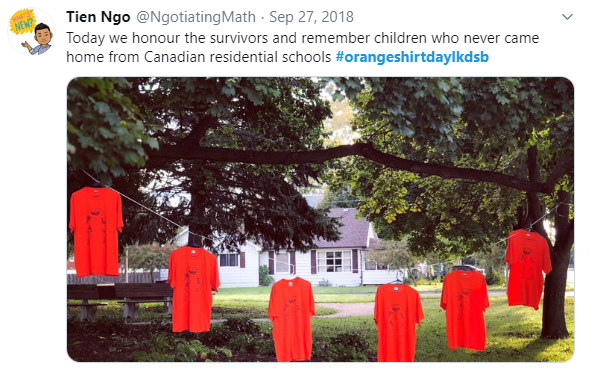

Remember, it is important that understanding is built BEFORE Orange Shirt Day. Here are some resources to help you build that understanding.
Resources

Books
It has been brought to our attention that the Epic! app has quite a few books that are about residential schools. A quick search brings up many titles.
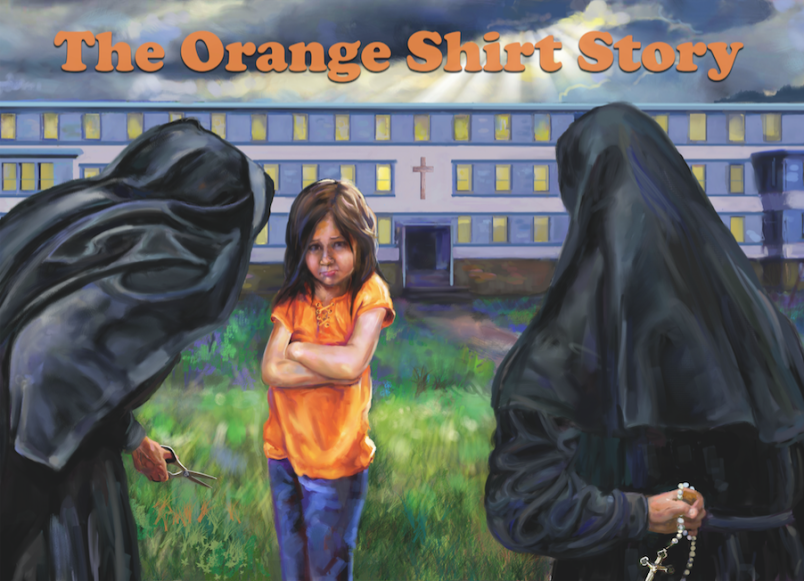
The Orange Shirt Story by Phylis Webstadt
Teacher Resources: http://www.orangeshirtday.org/teacher-resources.html
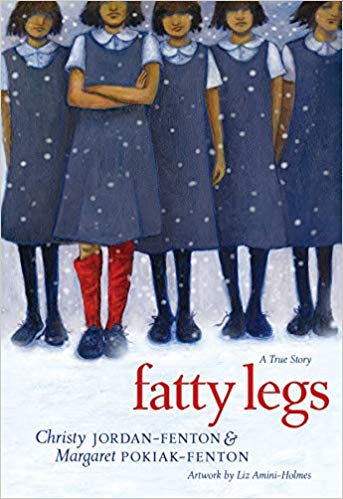
Fatty Legs by Christy Jordan-Fenton and Margaret Pokiak-Fenton
Shi-Shi Etko by Nicola I Campbell

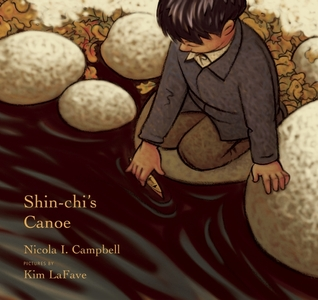
Shin-Chi’s Canoe by Nicola I Campbell
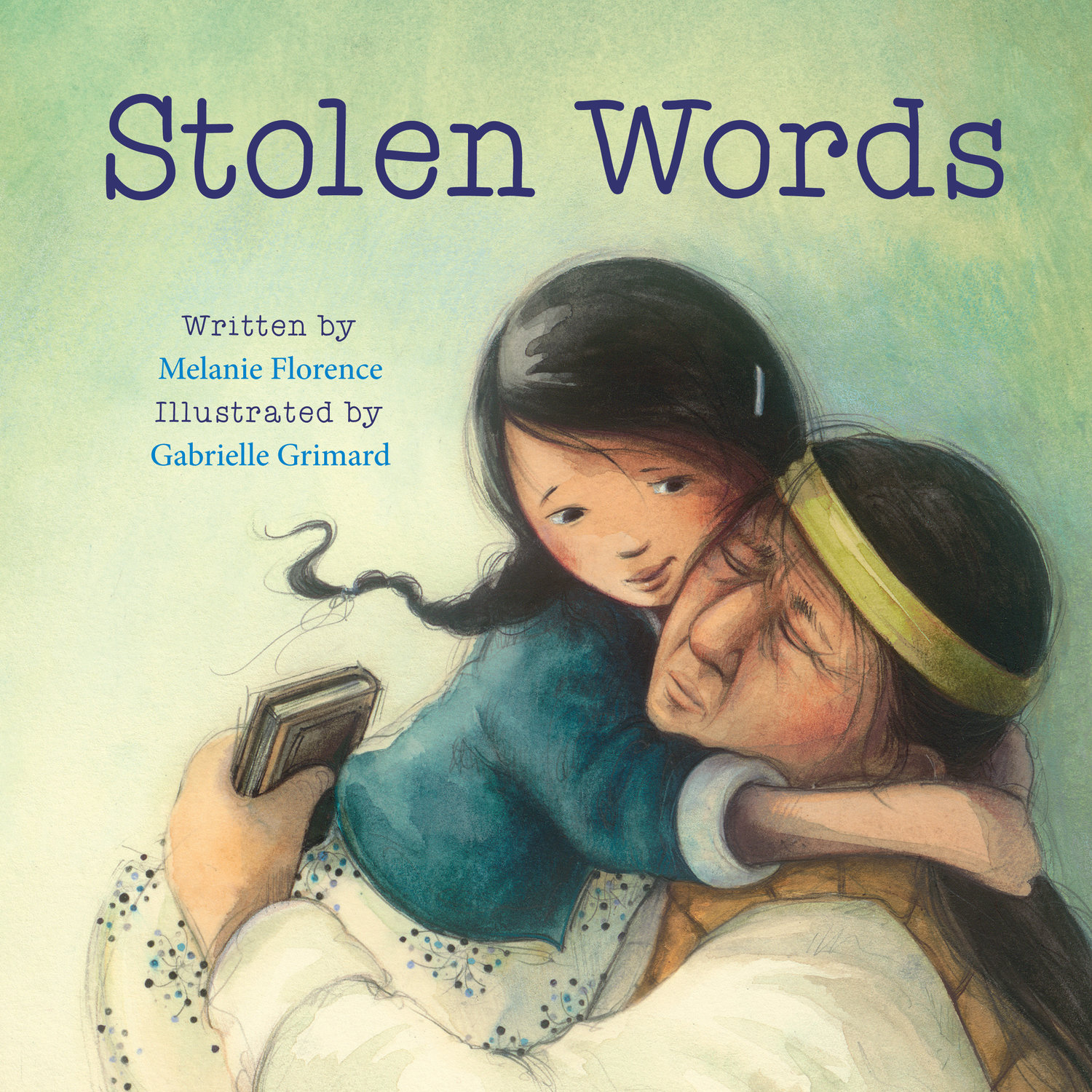
Stolen Words by Melanie Florence
(Blog Post) http://lkelempro.blogspot.com/2018/09/indigenous-literature-stolen-words-by.html
(Blog Post) http://lkelempro.blogspot.com/2018/09/indigenous-literature-stolen-words-by.html
I Am Not a Number by Jenny K. Dupuis
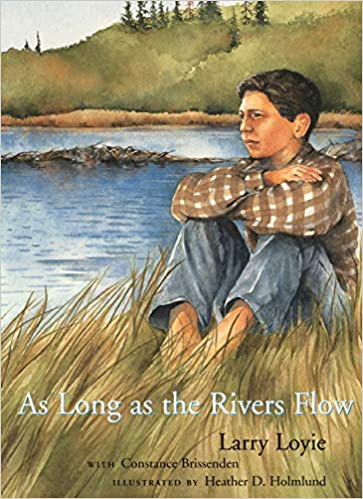
As Long as the Rivers Flow by Larry Loyie
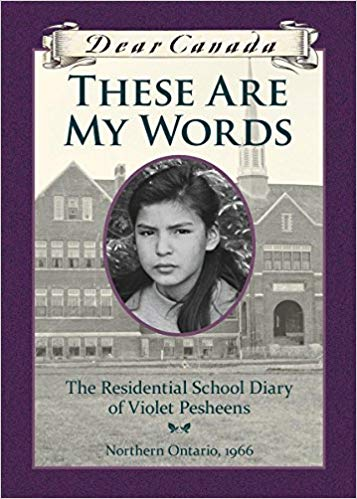
These are My Words: The Residential School Diary of Violet Pesheens
Novel by Ruby Slipperjack
Websites
What is Orange Shirt Day? CBC Kids
This link is from the Truth and Reconciliation Commission. It has lots of information and resources to use in your classrooms.
Legacy of Hope: Where are the Children is a comprehensive site with links to resources to download and a large survivor story library. There is also an app that has a lot of stories, photos and maps. You can find it in the app store (search for: Legacy of Hope: Where are the Children)
http://wherearethechildren.ca/en/
http://wherearethechildren.ca/en/
Deepening Knowledge from the Ontario Institute for Studies in Education.
This has lots of great links.
The Inuit experiences of residential school. This website has lots of photos and resources.
PDF About Misconceptions of the Residential Schools System (From Aboriginal Healing Foundation). This is a really powerful document.
Link to Map/List of 139 Residential Schools.
Although it is important to create awareness and understanding around Orange Shirt Day, please remember this is a conversation that can happen any time during the school year.
Miigwech!
Gretchen
Tuesday, September 25, 2018
Indigenous Literature: I Am Not a Number
I Am Not a Number written by Jenny Kay Dupuis and Kathy Kacer tells about the experiences of a young girl at a residential school. This book tells of some of the horrible experiences children faced in residential school. It speaks of children getting their hair cut, eating food that made them sick and the physical and emotional punishment children were subjected to for speaking their traditional language. The actions of the adults in this book, while accurate as to what happened in residential school, can be upsetting to younger students. Know your students when deciding to read this book.
Where to next?
Ask your students why they think the nuns wouldn’t let the kids speak their own languages.
Reflect on your own beliefs and what you were taught as a young person about residential school. Many Canadians were taught little, to nothing about residential school and the history of Canada’s relationship with the Indigenous people of this land.
Deepen your own understanding as to why the Canadian government made it law for all Indigenous children to be taken from their families to attend residential school.
The book, 21 Things You May Not Know About the Indian Act by Bob Joseph is a good place to start when learning more about Canada’s relationship with the Indigenous people of this land.
Share your learning with the hashtags #engageLK and #indigedLK
Monday, September 24, 2018
Indigenous Literature: Stolen Words by Melanie Florence
Stolen Words by Melanie Florence is a book that addresses the loss of language and culture students faced in residential school. A grandfather tells his grand daughter about when he was forced to learn English and was not allowed to speak Cree.
Children in residential schools were told that their culture and their language was wrong. Indigenous children were made to feel ashamed of their culture and language. Children were severely punished for speaking their traditional language and as a result entire generations of Indigenous people did not speak the languages their ancestors spoke before colonization.
Many Indigenous people are working hard to learn their language. Many schools on First Nations and in public school boards are taking steps to revitalize and strengthen the knowledge of their traditional languages.
What’s next?
Find out what Nation calls where your school is situated their traditional territory. See if you can learn to say “hello” and “thank you” in their language.
Invite someone from a neighbouring First Nation to come and teach your class some words in their traditional language.
Make a video of your kids teaching others to say a few words in an Indigenous language, share it and use the hashtags #engagelk #indigedLK.
Miigwech! Thank-you!
Sunday, September 23, 2018
Indigenous Literature: Shin-Chi’s Canoe by Nicola I. Campbell
Shin-Chi’s Canoe by Nicola I. Campbell is the sequel to Shi-Shi-Etko. This story actually takes place In Residential school and shares some of the horrible hardships the children experience.
This book is a good way to keep the conversation about residential school going with your students.
Where to next?
Ask your students why they think we need to hear stories about residential schools. Have them record their ideas and create a video to share with other classes.
Invite your students to share with others why we honour residential school survivors on Orange Shirt Day and why we need to remember them and talk about their experiences throughout the whole year.
What does the mom mean when she says, “We would never, ever let you go, but it’s the laws that force us to send you away to residential school.”?
What do you think happened when parents tried to keep their children home? Do some research to find out.
After your research, discuss if laws have always been fair for everyone.
Share what your students come up with by using the hashtag #engageLK and #indigedLK
Sunday, September 9, 2018
Indigenous Literature: Shi-shi-etko by Nicola I. Campbell
Video Resource Review: By Kids for Teachers
With Orange Shirt Day coming up quickly its a good time to start the conversation with your students about residential schools in Canada. There are many books available that will help our students better understand why we honour residential school survivors and the thousands of Indigenous children who didn’t make it home from residential schools.
Reading Shi-shi-etko by Nicola I. Campbell is a great way to start the conversation about residential schools with your students.
Follow up activities could include:
- Inviting students to create their own book review video
- Have students talk or write about any questions they have after reading
- Create a video telling others about Orange Shirt Day
Subscribe to:
Posts (Atom)